Interaction and motion designed alongside the layouts, specified for build and tested on real devices, so the site feels as considered as it looks.
Buttons, toggles, forms and menus that respond clearly to every action.
States designed for every interactive element, for mouse and keyboard alike.
Reveals and scroll-led moments that walk visitors through the story.
Movement between pages and views that keeps people oriented.
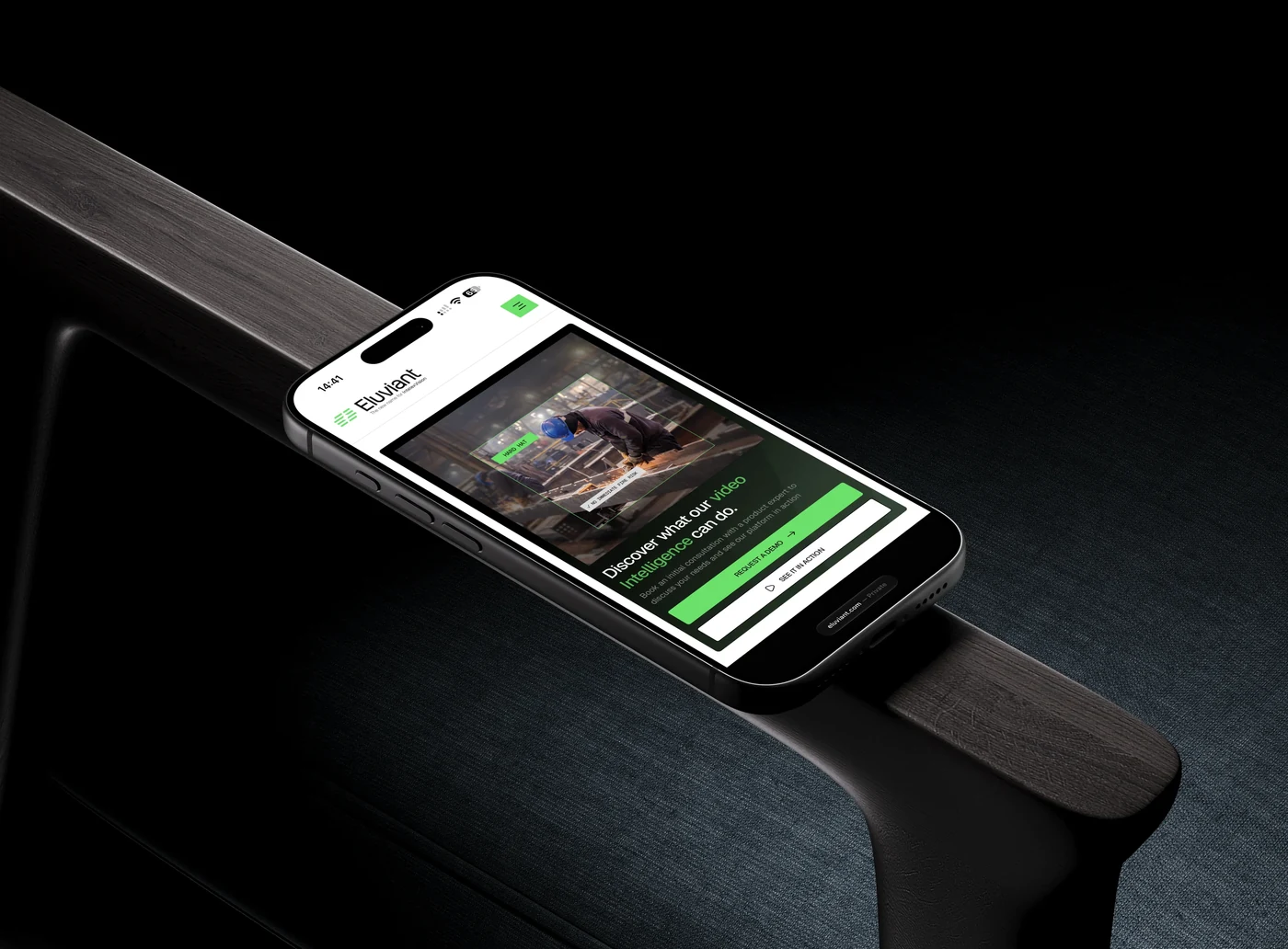
Animated product screens that show what your software does.
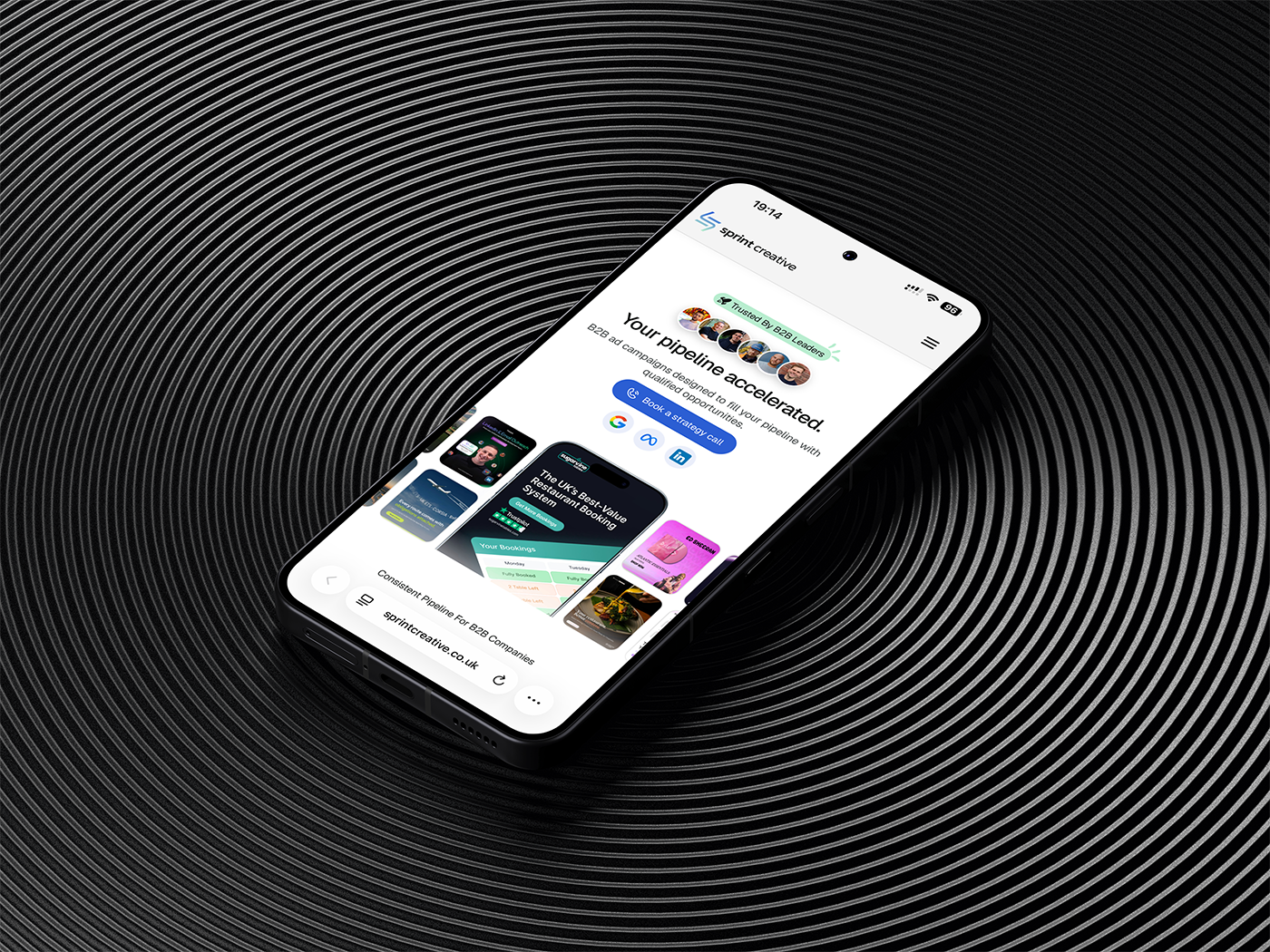
Timing, easing and triggers documented, so Webflow matches the design.

Four steps from deciding what each interaction should do to motion that runs smoothly on the live site.
We agree what each interaction is for: guide the eye, explain the product or confirm an action.
Every state and transition designed in Figma alongside the layouts, not added at the end.
Key moments prototyped in Figma and Jitter, so you feel the timing before it's built.
Built in Webflow with Lottie or native interactions, then tested on mobile for speed.
Good interaction design tells people what's clickable, what's just happened and where to look next. We only add movement that does one of those, and keep it light enough not to slow the site.
Interactions planned in Figma from the start, so motion and design fit together.
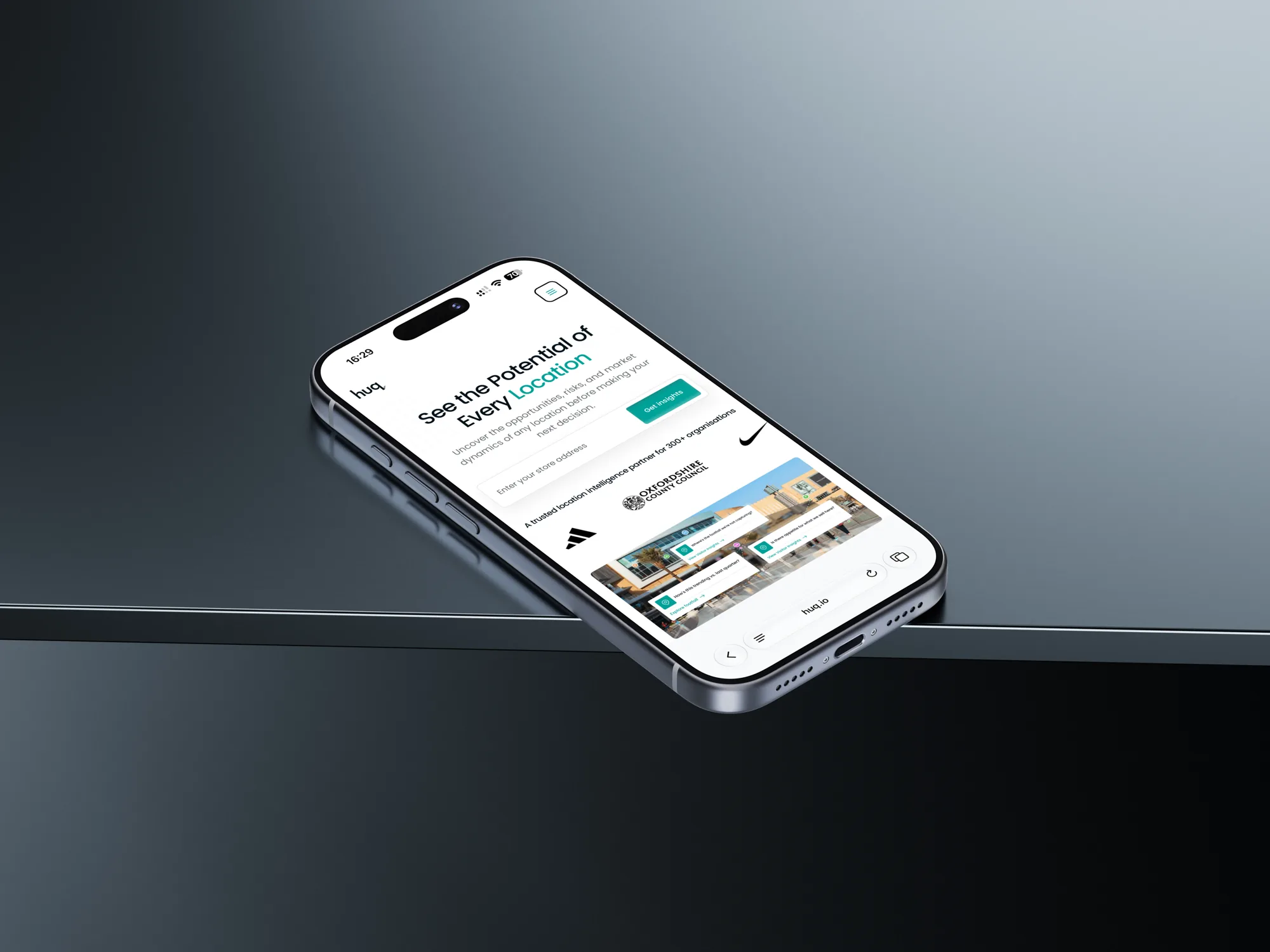
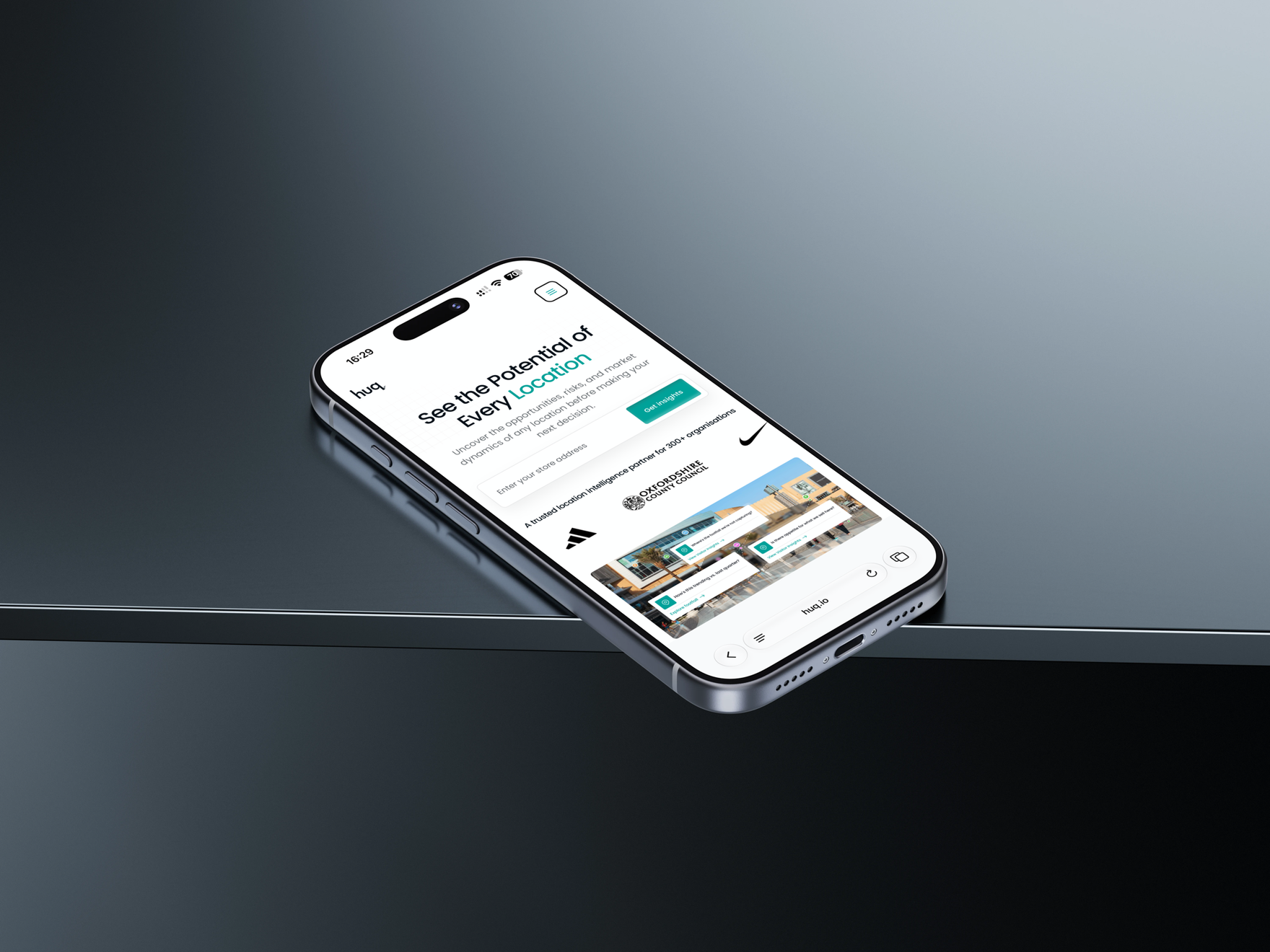
Animated UI that demonstrates what the product does, as on Huq's site.
Lottie and native Webflow interactions tested, so movement never slows a page.
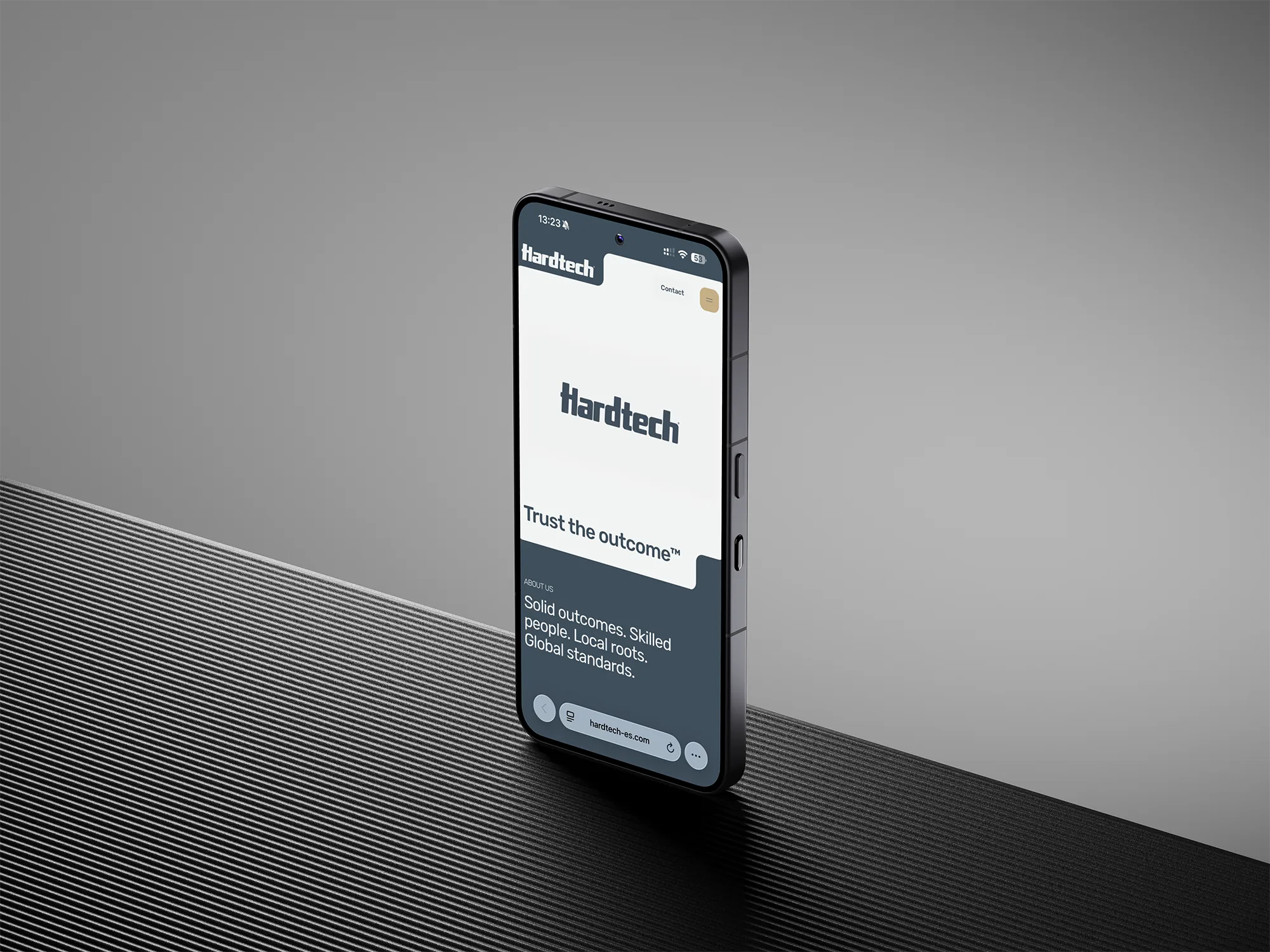
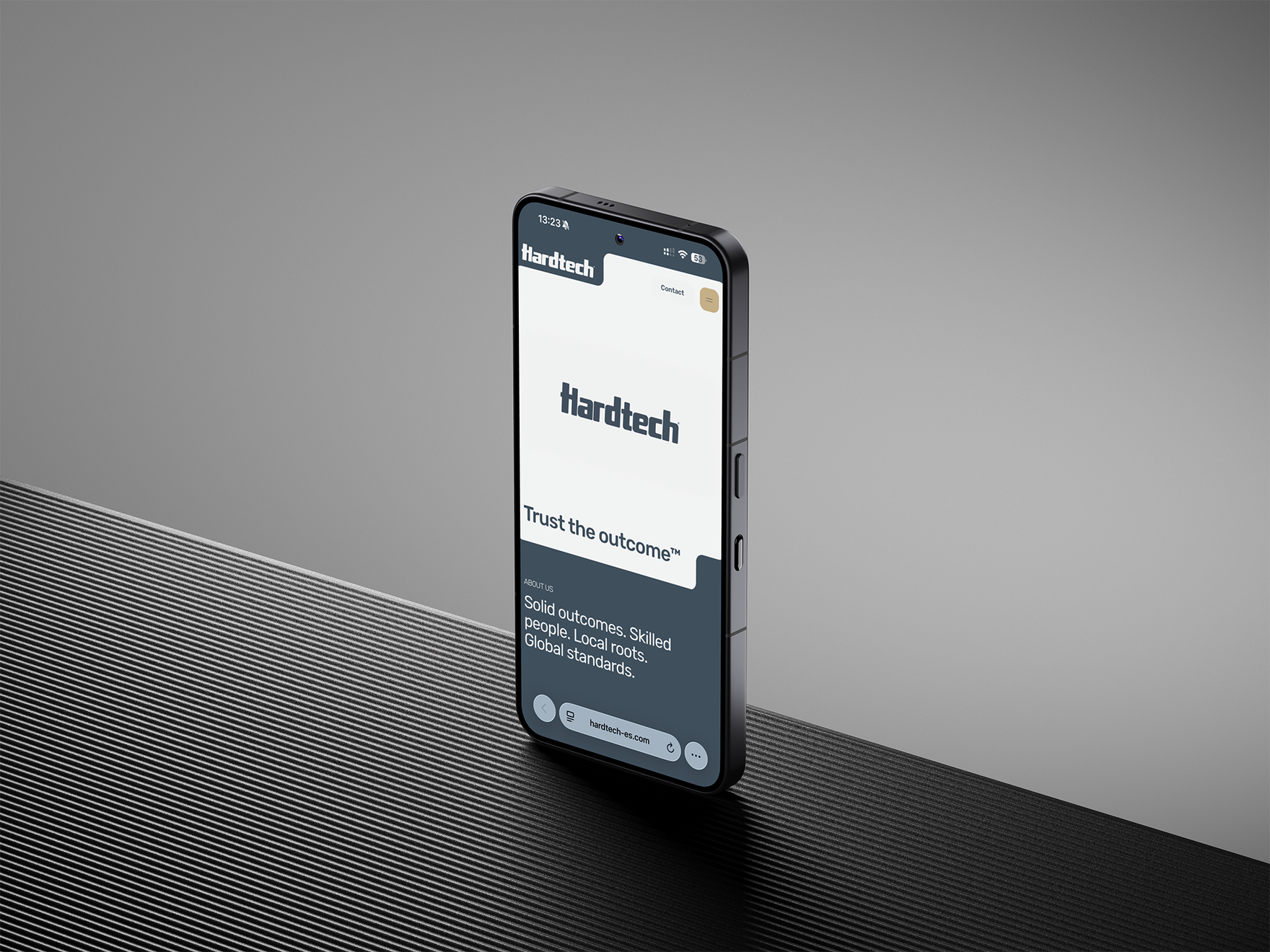
The same people design, animate and build, as with Hardtech's motion graphics.
Timing and easing set to suit your brand, from playful to precise.
You see and sign off each interaction in Figma before it goes into Webflow.
I've done quite a few in my time and this has definitely been the easiest one so far.

The team at hydro delivered exactly what we asked for. The brand now reflects where we are today.

Fantastic from start to finish. The quality of the service and the end result represent excellent value for money.

They understood our requirements and quickly delivered a project that far surpassed our expectations.

The speed at which they built sites of this size & complexity is making a real difference to our brand.

The designs were ready within weeks and my website was built out in under a month of working together.

Ezgi, our account manager, was brilliant throughout: always approachable, proactive and quick to respond.

Made the whole process feel straightforward and stress-free, understood our needs from the start.

Great attention to detail, very open to feedback. Thanks to the entire team - you were all fantastic.

Understood the requirements well and were able to deliver a quality output. Highly recommend hydro.

Very happy with our new website! Thanks for all the help with it. Our MD was “blown away” by it.

We did a lot of research before choosing an agency for our brand and website. They didn’t disappoint.

Was a pleasure working with you guys. The website looks amazing. Big thanks to the whole team!

The most valuable outcome has been the overhaul of our brand identity. It's positioned us as a market leader.

We used to struggle creating marketing collateral that represented our brand. Now, we have it in days.

It's rare to find a partner who not only understands your vision but enhances it with their creative insights.

hydro have delivered a couple of projects for me now. Keen eye for design & UX. Excellent delivery & aftercare.

The process for branding and website has been great. Nothing is too much. Highly recommend.

Working with hydro has been a pleasure. Incredibly kind, always quick to respond to questions or requests.

The team at hydro went above & beyond to bring our vision to life for our new website. Super supportive.

hydro are a class act. Their speed is second to none, which is what I need when using a design agency.

It's enabled us to create higher quality content for our website, social media and sales teams.
The team are very responsive, knowledgeable, passionate, and deliver exceptional quality work.

Expert advice and feedback with updates every step of the way, it's been a real pleasure working with hydro.

Best in the business. The team are super knowledgeable, approachable and nice guys to work with. Highly recommended.

Proactive, enthusiastic and most importantly listen to their clients. Definitely recommend using hydro.

hydro has been a great help getting us started with email campaigns and regular social media posts.

Fantastic service both technically and commercially. Use hydro, they're great.

Interaction design is deciding how a website or product responds when someone uses it: hovers, clicks, scrolls, transitions and feedback. hydro designs interactions in Figma and Jitter and builds them in Webflow, so they feel right and stay fast.
Interaction design is movement triggered by the user, like a hover or a scroll. Motion Design covers the wider work too: launch videos, brand idents and social motion. We do both, often on the same project.
Not when they're built well. We use Lottie and native Webflow interactions, keep files light and test on mobile before launch, so the site stays quick.
It runs inside the Figma design, which usually takes one to two weeks, and then the build. Bigger motion pieces, such as a launch video, take two to four weeks.
Yes. We can design and build new interactions on a live Webflow site as a one-off project, or add them through the Unlimited Plan as part of ongoing work.
B2B brands and software companies who want their site or product to explain itself, from data platforms like Huq to engineering firms like Hardtech. If your product's hard to describe, showing it move often does the job.